Graceful Aging at Home and in Daily Life

Updated: Oct 17
Growing older gracefully isn’t about pretending nothing has changed. Our knees may complain on the stairs, reading glasses seem to multiply overnight, and a “quick errand” can somehow take half the day. Grace comes from noticing what’s different and making smart adjustments without turning every change into a personal defeat.
For adults moving into their senior years, daily life often works best when we protect three things: safety, independence, and a sense of self. That can mean changing the house, simplifying routines, or finally admitting that the old hairstyle takes far too much work. Small decisions add up. And they can make ordinary days feel much less like an obstacle course.
Make home support the life we actually live
Our homes should serve us, not test us. Start with the places we use most: the bathroom, bedroom, kitchen, and entryway. Loose rugs, dim hallways, slippery tubs, and shelves that require a step stool can turn familiar tasks into risky ones. We recommend fixing the annoying little hazards before they become memorable for all the wrong reasons.
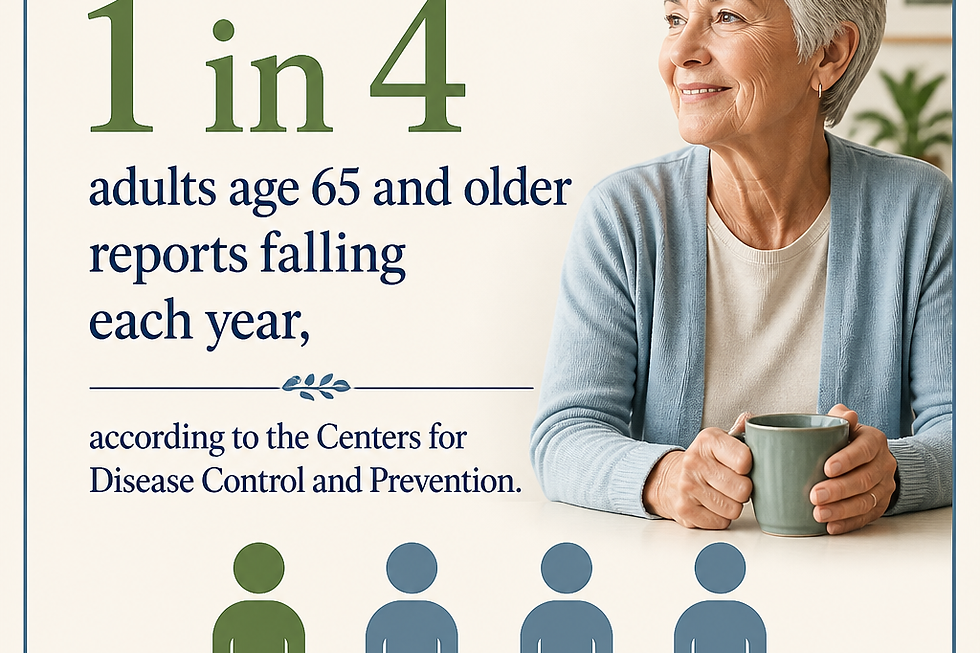
About 1 in 4 adults age 65 and older reports falling each year, according to the Centers for Disease Control and Prevention. That makes fall prevention a daily-life issue, not a gloomy prediction. Better lighting, sturdy handrails, nonslip surfaces, and clear walking paths are practical changes. They don’t make a home look institutional. Usually, they just make it easier to move around without bracing for the next surprise.
Use the easy-reach rule
Items used every day belong between waist and shoulder height. Heavy cookware shouldn’t live on the lowest cabinet shelf. Frequently used dishes shouldn’t require stretching overhead. We’ve seen people keep struggling with a storage setup simply because “that’s where it has always been.” Tradition is fine. A sore back is less charming.
Motion-sensor lights can help in hallways and bathrooms, particularly for early-morning trips. A second handrail on the stairs may offer more support than one rail placed on the side we naturally avoid. And a small chair near the entryway gives us somewhere to sit while putting on shoes. That is not giving in. That is good design.

Simplify without making life feel smaller
Downsizing gets treated like a dramatic event, but most of us can begin with one drawer. Keep what we use, what we love, and what has a clear purpose. The rest can move along. This process isn’t about owning as little as possible. It’s about reducing the amount of stuff that asks for our attention.
Paperwork is a common source of clutter and low-grade worry. Create one place for bills, medical information, warranties, and household records. Shred outdated documents. Label the folders in plain language. “Important papers” sounds tidy but tells nobody anything six months later.
Clothing deserves the same honest treatment. We don’t need a closet full of clothes that pinch, drag, require special care, or belong to a version of us who no longer exists. Keep pieces that fit today and make getting dressed easier. A few well-chosen layers can do more than a packed wardrobe.
Keep the sentimental items that still speak to us
Not every keepsake needs to stay, and not every keepsake needs to go. We can photograph bulky items, share meaningful objects with family, or choose one box for letters and small treasures. The goal is not to erase the past. It’s to give the past a manageable place in the present.
Our book, Growing Older Hurts: Aging with Wisdom and Wit, takes a humorous look at this exact tension. Growing older brings genuine limitations, but it also gives us a better sense of what deserves our energy. Sometimes wisdom looks profound. Sometimes it looks like throwing away the broken toaster we’ve been “meaning to fix” since 2014.
Build routines that protect energy
Many adults find that energy becomes less predictable with age. We may feel fine in the morning and suddenly hit a wall after lunch. That doesn’t mean we’re lazy or failing. It means our routine needs a little structure.
Put demanding tasks earlier in the day when possible. Group errands by location, but don’t turn one outing into a heroic expedition. Leave space between appointments. Rest before we are completely worn out, not afterward when the couch has become a permanent address.
A useful daily rhythm often includes regular meals, enough fluids, movement, social contact, and a consistent sleep schedule. It doesn’t have to look like a military operation. A short walk after breakfast, a phone call with a friend, and a set time for medications can create a reassuring shape to the day.
Make movement ordinary
Exercise doesn’t need to involve a membership, matching clothes, or a person shouting motivational slogans across a room. Walking, chair exercises, light strength work, dancing in the kitchen, and balance practice all count. Strength matters because it supports the activities we want to keep doing, from carrying groceries to rising from a chair.
We recommend making movement part of something already happening. Do a few heel raises while waiting for the kettle. Stand up during television breaks. Walk through the house while talking on the phone. Tiny bouts are easier to repeat, and repetition tends to beat enthusiasm in the long run.
Stay independent by accepting useful help
Independence doesn’t mean doing every task alone. That idea causes unnecessary trouble. Real independence means having a say in how we live, including choosing support before a crisis forces the decision.
Maybe grocery delivery handles the heavy bags. Maybe a neighbor helps with outdoor chores. Maybe a family member joins us for a paperwork afternoon because forms have become needlessly complicated. Accepting assistance with one task can preserve energy for the parts of life we care about most.
A 2021 AARP survey found that 77% of adults age 50 and older want to remain in their current home as they age. That preference makes practical planning worthwhile. Aging in place works better when the home, transportation, social connections, and daily support are considered together rather than patched together after something goes wrong.
Plan for the version of us who has a harder day
Some days are easy. Others involve pain, fatigue, poor weather, or simply less patience than usual. Keep frequently used phone numbers visible. Have backup options for meals and transportation. Store a flashlight where it can actually be found. Make sure trusted people know how to reach us and what kind of help we would want.
This planning isn’t pessimistic. It’s similar to keeping an umbrella by the door. We don’t expect rain every afternoon, but we’re glad not to improvise when the sky changes.

Keep personal style and pleasure in the picture
Graceful aging can become too focused on safety, appointments, and sensible shoes. Those things matter. So does looking and feeling like ourselves.
Personal style may change because our body changes, our budget shifts, or we simply get tired of uncomfortable clothes. Fine. Choose colors, fabrics, haircuts, glasses, and accessories that feel current to us. There’s no rule saying older adults must fade into beige. Comfort and personality can occupy the same outfit.
Make room for pleasure that has no practical purpose. Read the mystery novel. Take the scenic route. Learn the phone feature we kept ignoring. Invite someone over for coffee even though the house isn’t perfect. A life built only around preventing problems becomes awfully narrow.
Keep relationships active and honest
Social connection often needs more planning as work routines change, friends move, and family members become busy. Waiting for everyone else to call can leave us isolated. Choose a regular lunch, walking group, class, volunteer role, or weekly call. Consistency helps more than grand gestures.
We also need honest conversations about changing abilities. Telling family that stairs are becoming difficult is better than quietly struggling until somebody notices. Saying “I’d like help with driving at night” is clearer than making excuses. People can respond to specific information. They can’t respond well to hints wrapped in pride.
And humor helps. Not the kind that dismisses real pain, but the kind that lets us say, “My balance and I are currently in negotiations.” Our book uses that lighter touch because laughter can make difficult conversations less stiff. Wisdom doesn’t require a solemn face.
Choose grace over perfection
Growing older is not a project we complete correctly. Some habits will stick. Others won’t. We’ll buy the sensible shoes and still trip over the dog’s toy. We’ll simplify the kitchen and somehow acquire three new gadgets by Christmas.
What matters is paying attention. Make the home safer. Keep routines flexible. Ask for help before exhaustion makes the choice for us. Protect our style, friendships, and sense of humor along the way. For more encouragement on the practical and ridiculous parts of getting older, explore Aging With Wisdom Wit and Grace for Older Adults.
A steadier way to grow older
Graceful aging is less about looking untouched by time and more about living honestly within the life we have now. We can adjust the house, lighten the load, move our bodies, accept support, and keep enjoying ourselves. Some aches may stay. Some limitations may surprise us. But with a little planning and a generous sense of humor, growing older can still feel like ours.
Explore Growing Older Hurts by Don D. Brown, or order Growing Older Hurts: Aging with Wisdom and Wit.


Comments