Best Low Impact Workouts for Healthy Aging

Getting older doesn't mean handing your favorite activities over to the nearest rocking chair. It does mean choosing movement that respects your joints, balance, energy, and recovery time. The best low impact workouts for healthy aging help us stay strong and steady without leaving our knees, hips, or lower back filing a formal complaint.
Low impact doesn't mean low effort. Walking uphill, pedaling a bike, moving through a water workout, or lifting a pair of dumbbells can make the heart work and the muscles respond. The trick is finding exercise that you can repeat next week, not merely survive today.
Why Low Impact Exercise Matters More With Age
Less pounding does not mean less benefit
Low impact exercise keeps at least one foot on the floor, or takes much of the body weight off the joints. That makes it a sensible choice for adults dealing with arthritis, old injuries, stiffness, or the occasional mystery ache that seems to appear after sleeping.
Walking, swimming, cycling, rowing, and strength training can improve cardiovascular fitness and muscle function while putting less repetitive stress on the joints than running or jumping. In practice, the best choice is usually the one that feels manageable during the workout and reasonable the next morning.
Strength still matters
Many people focus on cardio and forget that muscle is part of our independence. Stronger legs make stairs less dramatic. Stronger hips help with getting out of a chair. Stronger shoulders make grocery bags and laundry baskets feel less like personal enemies.
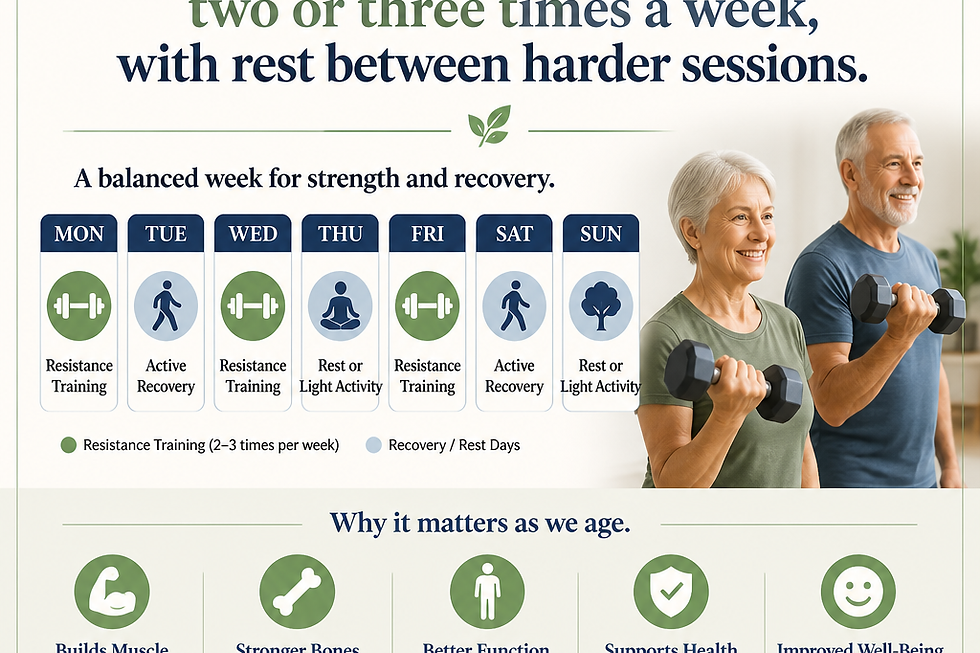
We recommend keeping resistance training in the mix two or three times a week, with rest between harder sessions. That might mean resistance bands, machines, bodyweight movements, or light weights. Start with control. The number on the dumbbell is not a character reference.
For a broader look at staying capable, energetic, and independent as the years add up, visit Aging With Wisdom Wit and Grace for Older Adults.

Five Low Impact Workouts Worth Your Time
Walking and walking intervals
Walking is simple, cheap, and surprisingly adaptable. A ten-minute walk after breakfast can count. So can a longer stroll around the neighborhood, especially when the route includes a gentle hill.
Once regular walking feels comfortable, add short intervals. Walk at an easy pace for two minutes, then pick up the pace for thirty seconds. Repeat several times. You don't need to turn the sidewalk into a racetrack. A brisk pace is enough to make conversation slightly more effortful while keeping it possible.
Water exercise
Water supports the body and reduces the load on painful joints. Swimming is one option, but it isn't the only one. Water walking, gentle aqua aerobics, and simple leg movements in the shallow end can build endurance without a lot of pounding.

Some people feel wonderfully loose after a pool workout. Others feel chilled, tired, or irritated by the logistics of changing rooms. Fair enough. The best workout still has to fit real life.
Cycling and seated cardio
A stationary bike can provide steady cardio with little impact. Recumbent bikes are often more comfortable for people who prefer back support, while an upright bike may feel more familiar. Start with low resistance and a pace you can maintain for ten to fifteen minutes.
Seated cardio classes can work well when balance is a concern. They keep the heart and arms moving without requiring us to step quickly or change direction. That matters. A workout should challenge our fitness, not our ability to avoid a tumble.
Strength, balance, and mobility work
Try sit-to-stand exercises from a firm chair, wall push-ups, heel raises while holding a counter, and band rows. Add balance practice near something sturdy. Stand with feet close together, or try a gentle heel-to-toe walk along a kitchen counter.
Chair squats for the legs and hips
Wall push-ups for the chest and arms
Resistance band rows for the upper back
Heel raises for the calves and ankle control
Gentle stretches for the hips, calves, and chest
Balance work deserves a regular spot, not a once-a-year cameo. Falls often begin with a small wobble, a rushed turn, or a weak ankle. Practice while fresh and keep a hand near support.
More ideas for building strength and energy belong alongside Healthy Aging for Strength Energy and Independence, especially when your goal is staying active on your own terms.
How to Build a Routine You Will Actually Keep
Begin below your maximum
Start with a schedule that feels almost too easy. Two or three ten-minute walks may be more useful than one heroic workout followed by four days of soreness. After years of working with adults on movement habits, we see the same pattern over and over: consistency beats enthusiasm that burns out by Thursday.
A simple week might include walking on three days, strength work on two days, and a short mobility session most days. That is a starting point, not a law carved into stone. Your knees, sleep, work schedule, and family responsibilities get a vote.
Use the talk test and the next-day test
During moderate cardio, you should usually be able to speak in short sentences. Breathing hard is fine. Feeling panicked, dizzy, or unusually weak is not the goal.
Pay attention to how you feel later that day and the next morning. Mild muscle fatigue can be normal. Sharp pain, swelling, chest pressure, faintness, or pain that changes your walking pattern deserves attention. One bad session doesn't mean exercise is off the table. It may mean the pace, surface, footwear, or movement needs adjusting.
Make the workout easier to start
Keep walking shoes near the door. Put the resistance band beside the television. Choose a pool close enough that the drive doesn't become a full expedition. And give yourself permission to stop at ten minutes. Often, once we begin, we continue. When we don't, ten minutes still counts.
Our book, Growing Older Hurts: Aging with Wisdom and Wit, takes a humorous look at the aches, adjustments, and unexpected limitations that arrive with age. Exercise fits that conversation perfectly. Some days our bodies cooperate. Some days they send a strongly worded memo. We can respond with patience instead of pretending nothing has changed.
FAQs for Best Low Impact Workouts for Healthy Aging
What is the best low impact workout for beginners?
Walking is often the easiest place to begin because it requires little equipment and can be adjusted minute by minute. Start on a level surface for ten minutes at a comfortable pace. Add time gradually, then introduce short brisk intervals when regular walking feels steady.
Swimming or water walking may suit you better when weight-bearing activity bothers your joints. A stationary bike can be helpful when outdoor walking feels unsafe or inconvenient. The best beginner workout is the one you can do without dreading the next session.
How often should older adults exercise?
Aim for regular movement throughout the week, with a mix of aerobic activity, strength work, balance practice, and mobility. That doesn't require long gym sessions. Short walks, a few sets of chair stands, and several minutes of stretching can add up.
Recovery matters, too. Muscles may need more time than they did at thirty, and that isn't a personal failure. It is useful information. Adjust the workload, keep the habit, and build gradually.
Keep Moving Without Beating Yourself Up
Healthy aging isn't about proving that we can exercise like we did decades ago. It's about keeping enough strength, stamina, balance, and confidence to live the life in front of us. Walking, water exercise, cycling, strength training, and mobility work can all help, provided we choose a sensible pace and pay attention to what our bodies are saying.
Start small this week. Take a walk, practice a few chair stands, or book time in the pool. Then do it again. Progress may look less dramatic than it did in your twenties, but it still counts. Especially when your knees have opinions.
Explore Growing Older Hurts by Don D. Brown, or order Growing Older Hurts: Aging with Wisdom and Wit.


Comments